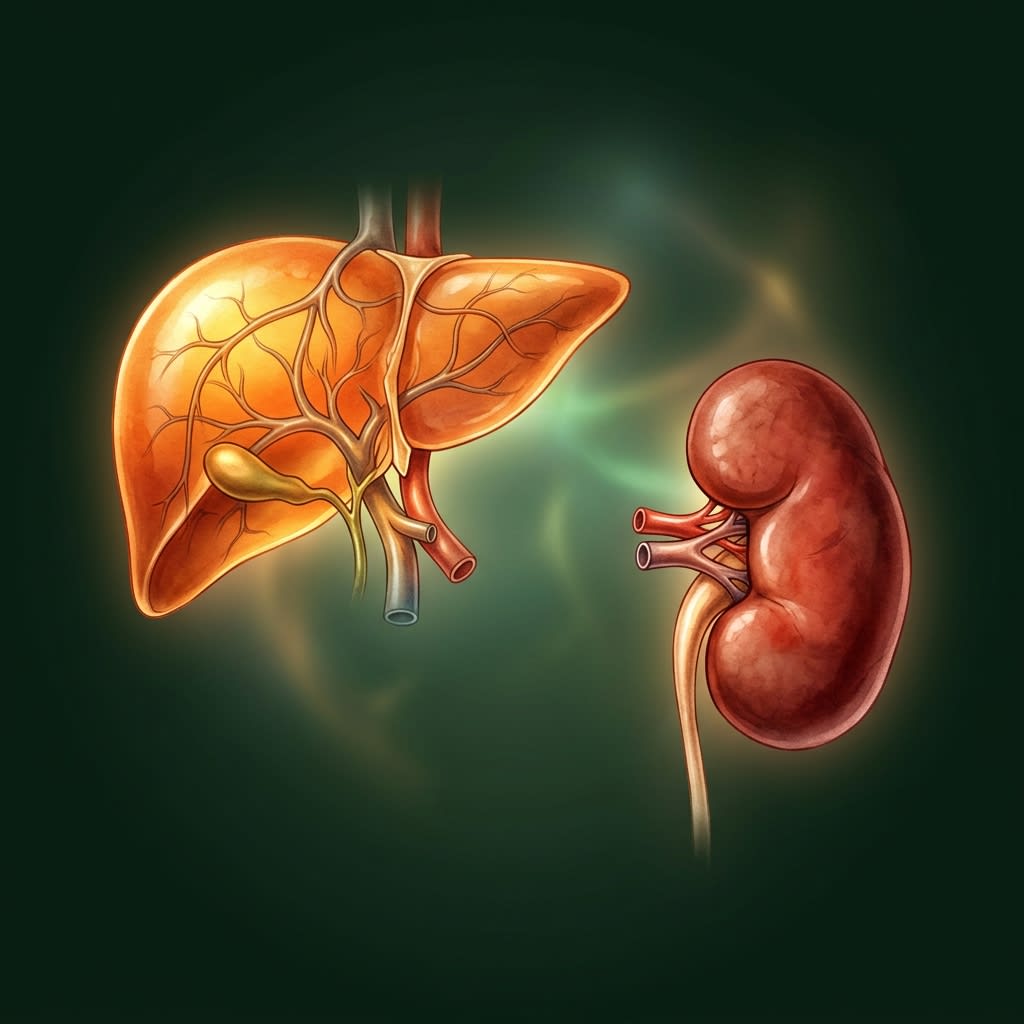
Quick answer: AFP is a protein measured in blood in selected liver cancer and germ-cell tumour pathways. It may support surveillance or monitoring together with imaging and other findings, but cannot diagnose cancer alone. Pregnancy and noncancerous liver injury can increase AFP. Maternal AFP screening uses a separate obstetric interpretation. QXL must confirm the requested clinical context, assay and reporting time.
Also known as: AFP, alpha fetoprotein, alpha-fetoprotein tumour marker
What is the AFP (Alpha-Fetoprotein) test used for?#
- Monitoring a known AFP-producing tumour under specialist care.
- Assessment within an appropriate liver cancer surveillance or diagnostic pathway alongside imaging.
- Selected germ-cell tumour evaluation with other markers and clinical findings.
Conditions it helps investigate: Hepatocellular carcinoma, Germ cell tumour
What does the test measure?#
- Total AFP: Oncofetal protein used as an adjunct in selected hepatocellular carcinoma and germ-cell tumour assessments.
How is it tested?#
Total AFP is commonly measured by immunoassay. AFP-L3% is a different assessment and must not be assumed included. Very high analyte concentrations and antibody interference may need laboratory investigation. QXL must confirm the exact assay and requested test context.
Sample and preparation#
Specimen: Venous blood; serum or plasma suitability must be confirmed for the actual QXL assay.
- Fasting is generally unnecessary for total AFP alone; confirm combined-test preparation.
- State whether the request concerns oncology, chronic liver disease or pregnancy.
- Provide prior AFP values, liver disease history and treatment dates; disclose supplements including biotin.
| Specimen detail | What to confirm |
|---|---|
| Volume | Confirm minimum and paediatric volume with QXL test master. |
| Container | Use the collection tube or container specified by the actual QXL test SOP. |
| Stability | Confirm separation deadline, validated transport temperature, cold-chain and stability window with QXL. |
| Rejection | QXL must confirm identification, specimen quality, quantity and transport acceptance criteria. |
How are the results interpreted?#
- AFP can rise in hepatocellular carcinoma and certain germ-cell tumours, but some such tumours have normal AFP.
- Hepatitis, liver regeneration and cirrhosis can also raise the value.
- Pregnancy results require gestational-age and obstetric screening context; an oncology interval must not be applied.
Reference interval: Use the method, units and context-specific interval or decision limits on the actual laboratory report; no universal numeric normal range is substituted.
What are the limitations?#
- AFP alone is not a general cancer screening or diagnostic test.
- A change during follow-up needs clinical and imaging correlation and consistent methods.
- Total AFP does not include AFP-L3%, PIVKA-II or a prenatal risk calculation unless separately specified.
How does it compare with other tests?#
- In liver surveillance, AFP is an adjunct to the chosen imaging pathway rather than a replacement.
- Maternal serum AFP and tumour-marker AFP measure the protein for different purposes with different interpretation.
Notes for referring clinicians#
State the clinical question, relevant treatment and specimen timing. Discuss unexpected or discordant results with the laboratory before changing management.
Price, report time and home collection#
- Price: Request the current QXL quote, included components and any collection charges.
- Report time: Confirm test-specific QXL reporting time, its starting point, working-day conditions and any referral transit before collection.
- Home collection: Ask QXL to confirm Bengaluru pincode eligibility, test suitability, collection timing and whether the visit is free.
- Processing: QXL verification pending: performing laboratory, platform and in-house versus referral status.
- Report review: Appropriately qualified laboratory authorisation is required. Ask QXL whether a separate report-discussion appointment is available. This content has not received medical sign-off.
Call +91 9964 639 639 or WhatsApp QXL to confirm the current quote, preparation and collection slot.
Frequently asked questions#
Does high AFP always indicate cancer?#
No. Pregnancy, hepatitis, cirrhosis and liver regeneration can also raise AFP.
Can AFP be normal despite liver cancer?#
Yes. A normal result does not exclude hepatocellular carcinoma or other relevant tumours.
Is this the same as maternal AFP screening?#
The protein can be measured in both settings, but pregnancy risk assessment uses a separate gestational-age-based interpretation.
Does the test include AFP-L3%?#
Do not assume so. Total AFP and AFP-L3% are distinct requests; confirm exactly what QXL offers.
Can I replace my liver ultrasound with AFP?#
No. Follow the specialist’s imaging and surveillance plan.
Do I need to fast?#
Usually not for AFP alone; other tests on the request may have different instructions.
Why should I bring previous AFP reports?#
The oncology or liver team may assess a trend in relation to treatment, imaging and the assay used.
How can I confirm the correct booking?#
Tell QXL the clinical purpose and confirm the exact assay, specimen requirements, current price and report time.
Related test guides#
Sources#
- Tietz ninth edition, PDF page 1993: AFP, hepatocellular regeneration and carcinoma; PDF page 803: high-dose immunoassay hook-effect principle.
- MedlinePlus AFP tumour-marker guidance cross-checks cancer limits, benign liver disease and the distinction from prenatal screening.
Educational information only; not a diagnosis or a substitute for a doctor’s advice.
Medical & Laboratory Disclaimer
Medical information notice: This article is for general educational purposes and does not diagnose disease or replace consultation with a qualified healthcare professional. Test selection, preparation and interpretation should be based on individual clinical circumstances.
Dr. Shantakumar Muruda
MD (Biochemistry), Founder & CEO
QXL Clinical Editorial Commitment: Every health guide, biomarker explanation, and screening schedule published on this portal undergoes rigorous clinical review by qualified MD pathologists and biochemists to ensure adherence to peer-reviewed evidence (ACOG, WHO, ICMR) and laboratory diagnostic accuracy.