

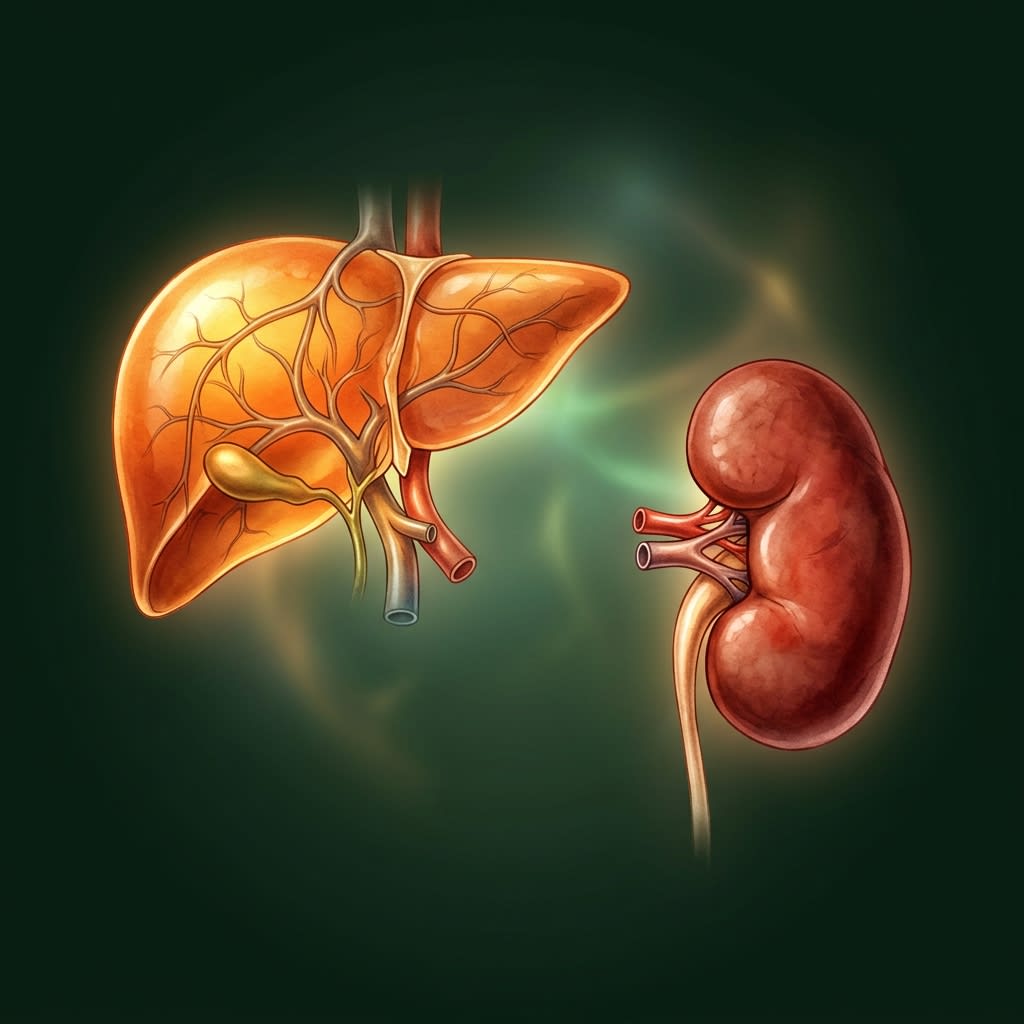
There is no routine blood-test panel that rules out pancreatic cancer. Investigations are layered according to symptoms and the doctor's initial findings.
Step 1: history, examination and triage#
Look for jaundice, weight loss, progressive upper-abdominal/back pain, new diabetes, steatorrhoea, family history and acute illness. Jaundice with fever and significant abdominal pain may indicate ascending cholangitis: arrange emergency care, not routine lab collection.
Step 2: selective blood and stool tests#
| Investigation | Clinical role | Caution |
|---|---|---|
| Total/direct bilirubin; ALP; GGT; AST; ALT | Pattern of cholestasis vs hepatocellular injury | Neither identifies a malignant cause nor locates obstruction |
| CBC | Anaemia, inflammation and clinical status | Normal results do not exclude malignancy |
| Renal function and electrolytes | Baseline status, dehydration, contrast-planning context | Not a cancer test |
| Glucose / HbA1c | New or worsening diabetes | Most new diabetes is not cancer-associated |
| Lipase ± amylase | Suspected acute pancreatitis | Neither screens for or excludes pancreatic cancer |
| CA 19-9 | Selected oncological context; response trends | Non-specific and may be normal in cancer |
| Faecal elastase | Evaluate suspected exocrine pancreatic insufficiency | Malabsorption test, not malignancy test |
Step 3: imaging the pancreas and biliary tree#
- Ultrasound: can detect duct dilatation, gallstones or liver findings; limited sensitivity for small pancreatic lesions.
- Multiphasic pancreas-protocol contrast CT: central test for visualising suspected pancreatic tumour, vascular relationships and operability.
- MRI/MRCP: complementary cross-sectional imaging for ducts, cystic lesions or indeterminate CT findings.
- EUS: high-detail assessment of selected lesions and a route for tissue sampling.
- ERCP: primarily to manage or sample biliary obstruction as indicated; carries procedural risks.
- PET-CT: selective staging/clinical situations, not first-line primary diagnosis.
Step 4: pathology and multidisciplinary decisions#
Biopsy via EUS-guided sampling or another appropriate route can provide a histological diagnosis and material for molecular assessment. Biopsy is generally necessary before systemic anticancer therapy, but a specialist team may proceed to surgery without preoperative biopsy in a selected resectable case. Do not delay referral waiting for a generic test panel.
Step 5: after diagnosis#
The multidisciplinary team evaluates stage, vascular involvement, treatment options, germline testing and, where appropriate, tumour profiling. Serial CA 19-9, liver tests, nutritional assessment and glucose monitoring can support ongoing management. QXL may contribute laboratory work within its verified test scope; imaging/procedures are performed by appropriately equipped clinical services.
Related: CA 19-9 explained, pancreatic symptoms.
Specific clinical guidance#
QXL Diagnostics: test availability, TAT and enquiries#
- Test availability: Test available at QXL Diagnostics. Confirm the individual requested test when enquiring.
- Turnaround time (TAT): Same Day (indicative; individual tests and sample cut-offs must be confirmed).
- Test details and unconfirmed information: Contact QXL Diagnostics Super Speciality Lab Bengaluru.
- WhatsApp for Details: Message QXL Diagnostics.
- Phone: +91 99646 39639.
Please note: Same Day is an indicative laboratory turnaround, subject to sample receipt/cut-off, individual assay workflow, and confirmation by QXL. Some specialised and stool tests may take longer. Urgent symptoms require clinical care, not waiting for a result. This service is for clinician-directed laboratory assessment. No laboratory package screens for, diagnoses, or rules out pancreatic cancer.
Medical sources and evidence#
Questions patients frequently ask#
Can a normal LFT exclude pancreatic cancer?#
No. A pancreatic tumour may exist without bile-duct obstruction.
Is ultrasound enough to rule out pancreatic cancer?#
Not when clinical suspicion remains high; CT, MRI/MRCP or EUS may be required.
Does everyone need a biopsy before surgery?#
Not always. The specialist MDT decides based on imaging, resectability and treatment plan.
Medical & Laboratory Disclaimer
Medical information notice: This article is for general educational purposes and does not diagnose disease or replace consultation with a qualified healthcare professional. Test selection, preparation and interpretation should be based on individual clinical circumstances.
Dr. Shantakumar Muruda
MD (Medical Biochemistry), Senior Consultant, Founder & CEO, QXL Diagnostics
QXL Clinical Editorial Commitment: Every health guide, biomarker explanation, and screening schedule published on this portal undergoes rigorous clinical review by qualified MD pathologists and biochemists to ensure adherence to peer-reviewed evidence (ACOG, WHO, ICMR) and laboratory diagnostic accuracy.