

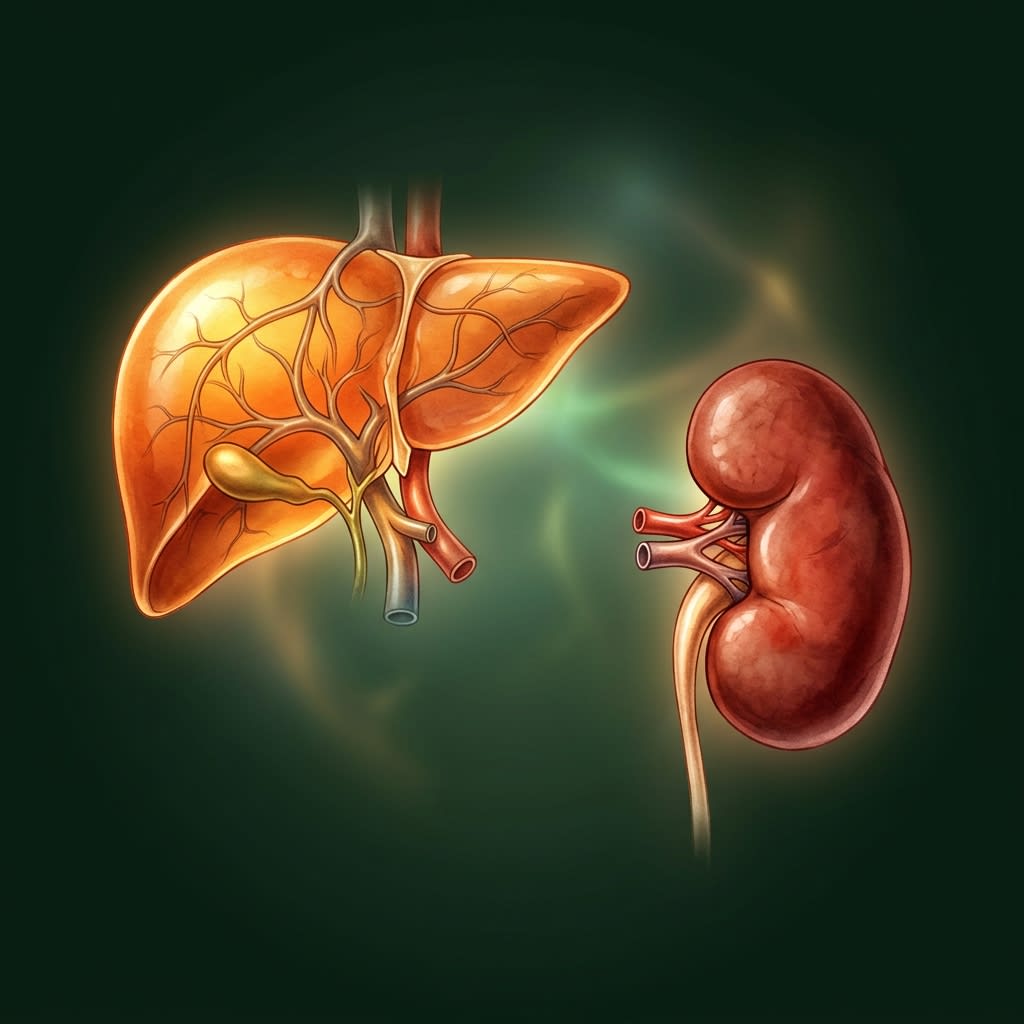
Diabetes and pancreatic cancer have a complicated relationship: diabetes can be a risk factor, while some pancreatic cancers can disrupt glucose regulation. Most cases of new type 2 diabetes are not caused by pancreatic cancer. Suspicion rises when glucose abnormalities occur together with unusual unexplained weight loss, abdominal/back pain, jaundice or a significant risk history.
What is different from typical type 2 diabetes?#
Many adults develop type 2 diabetes with common metabolic risk factors. An older adult who loses weight without trying and develops abrupt hyperglycaemia, particularly with new digestive symptoms, should receive a wider clinical assessment. A similar assessment may be needed when previously stable diabetes abruptly deteriorates without an obvious cause. No numerical HbA1c result proves a pancreatic tumour.
What tests may be ordered?#
Fasting or random plasma glucose and HbA1c document hyperglycaemia. Renal function, liver chemistry, CBC and other tests may be selected to assess coexisting illness and care needs. CA 19-9 is not a routine diabetes screening tool. When concern is clinically meaningful, imaging and referral are more important than tumour-marker shopping.
When imaging becomes relevant#
UK NICE NG12 recommends consideration of urgent CT (or ultrasound when CT unavailable) for people aged 60+ with unexplained weight loss and new-onset diabetes, or certain other symptoms. This is a referral guidance example, not a claim that all older people with diabetes require scanning. Indian clinicians should individualise it.
Suggested QXL workflow#
A clinician-directed metabolic-and-liver assessment may include glucose/HbA1c, creatinine/eGFR, CBC, total/direct bilirubin and liver enzymes depending on examination. If red flags are present, direct the patient to a clinician for imaging rather than sell a “pancreatic cancer diabetes panel.”
Related: warning signs, complete guide.
Extra sources#
QXL Diagnostics: test availability, TAT and enquiries#
- Test availability: Test available at QXL Diagnostics. Confirm the individual requested test when enquiring.
- Turnaround time (TAT): Same Day (indicative; individual tests and sample cut-offs must be confirmed).
- Test details and unconfirmed information: Contact QXL Diagnostics Super Speciality Lab Bengaluru.
- WhatsApp for Details: Message QXL Diagnostics.
- Phone: +91 99646 39639.
Please note: Same Day is an indicative laboratory turnaround, subject to sample receipt/cut-off, individual assay workflow, and confirmation by QXL. Some specialised and stool tests may take longer. Urgent symptoms require clinical care, not waiting for a result. This service is for clinician-directed laboratory assessment. No laboratory package screens for, diagnoses, or rules out pancreatic cancer.
Medical sources and evidence#
Questions patients frequently ask#
Does new diabetes mean pancreatic cancer?#
No. The great majority of new diabetes cases are not pancreatic cancer.
Is HbA1c a pancreatic cancer test?#
No. It measures average blood glucose exposure and cannot identify tumour cause.
Should new diabetes with weight loss prompt imaging?#
A clinician should assess age, weight change and other red flags and may request timely pancreatic imaging.
Medical & Laboratory Disclaimer
Medical information notice: This article is for general educational purposes and does not diagnose disease or replace consultation with a qualified healthcare professional. Test selection, preparation and interpretation should be based on individual clinical circumstances.
Dr. Shantakumar Muruda
MD (Medical Biochemistry), Senior Consultant, Founder & CEO, QXL Diagnostics
QXL Clinical Editorial Commitment: Every health guide, biomarker explanation, and screening schedule published on this portal undergoes rigorous clinical review by qualified MD pathologists and biochemists to ensure adherence to peer-reviewed evidence (ACOG, WHO, ICMR) and laboratory diagnostic accuracy.