What does this investigation answer?#
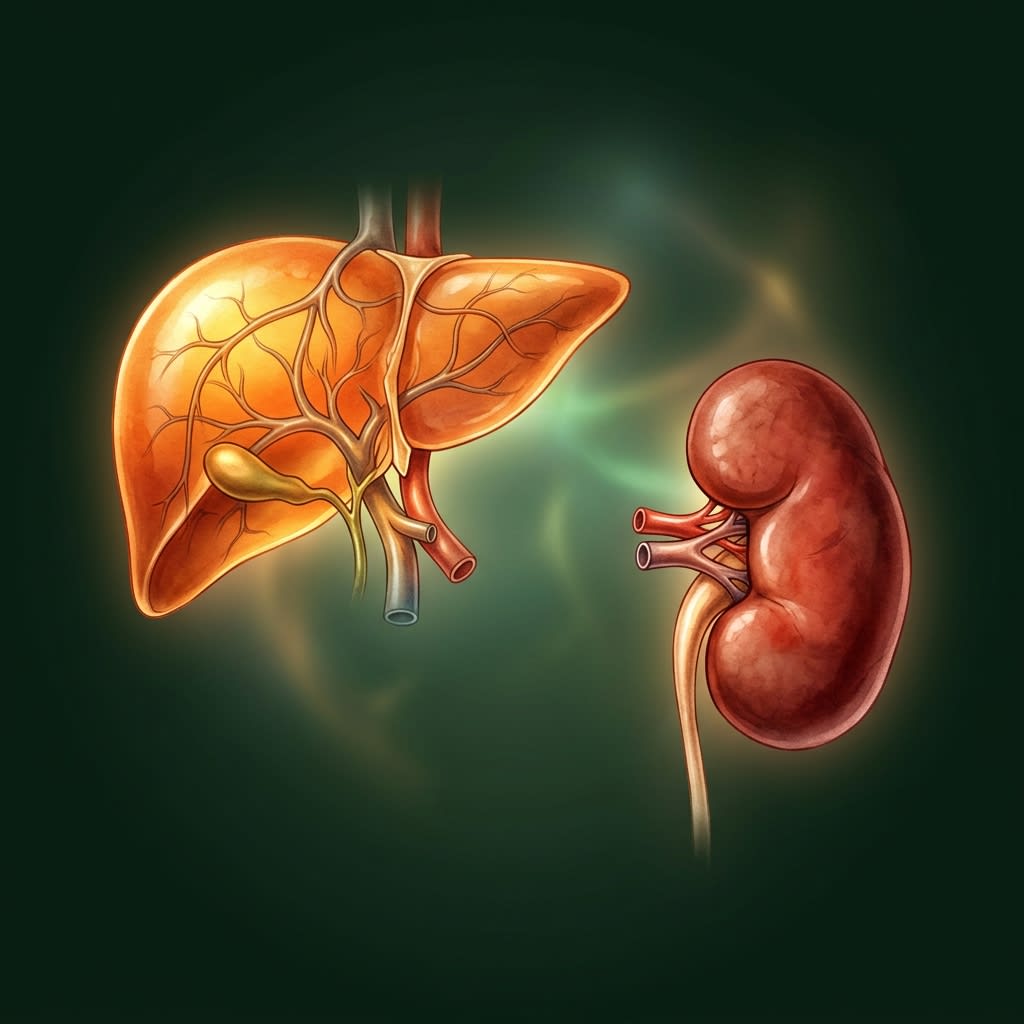
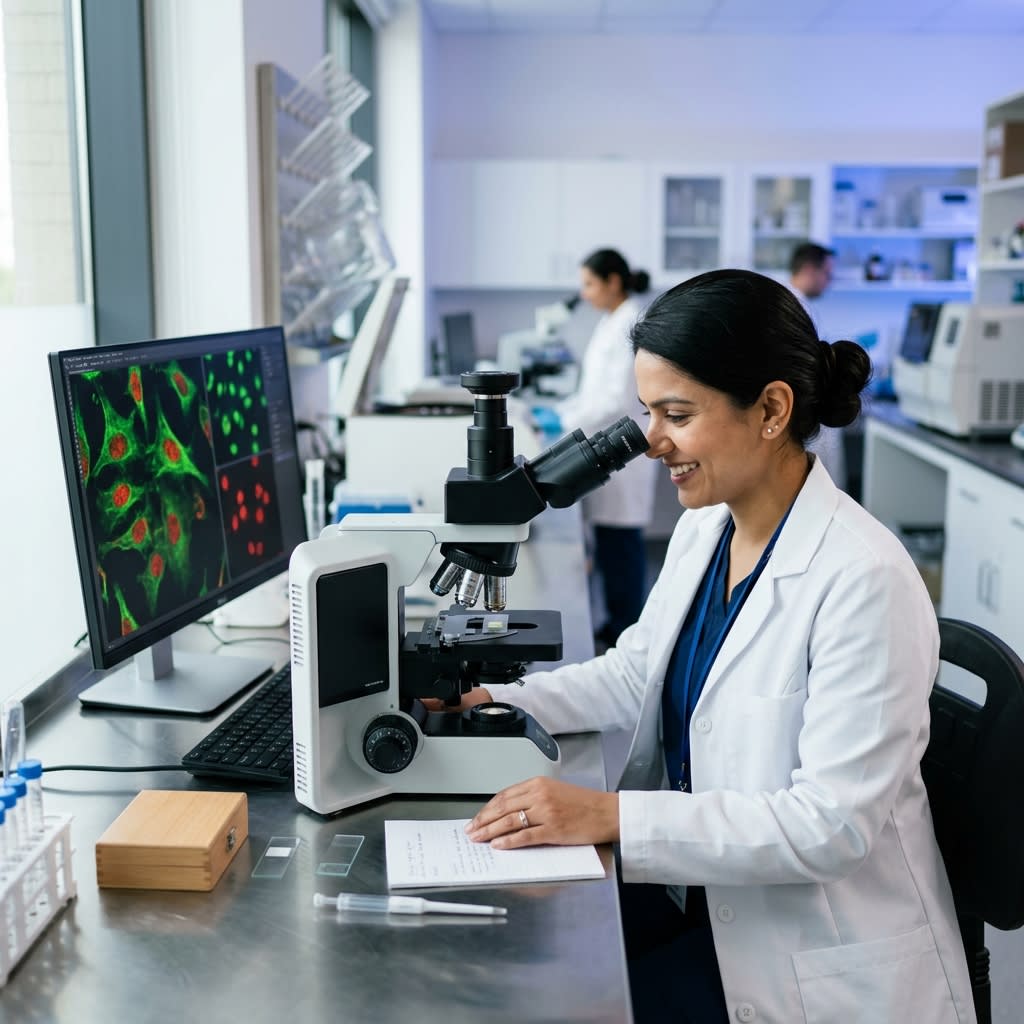
Biopsy histopathology examines tissue taken from a defined body site, sometimes called a tissue-biopsy test. It helps identify the features present in the submitted material; it is not a blood tumour-marker panel. QXL Diagnostics serves Bengaluru through Kengeri and Yelahanka with Same Day reports. Exact method, specimen handling and procedure arrangements: check with QXL for more information through the oncology enquiry page. Clinical interpretation remains essential. [M1,M2]
Why is this in the Indian health conversation?#
A national screening announcement provides context for follow-up, rather than a biopsy rule. The PIB release of 20 February 2025 included common-cancer screening. It does not establish that every screening finding requires biopsy.
What might this question feel like in everyday life?#
Illustrative composite case, not a real patient.
A tissue report is most useful when the specimen and the clinical question remain connected.
Sanjay kept postponing a medical appointment while balancing his Bengaluru commute and care for an older relative. A persistent skin change had not settled, but he was uncomfortable imagining what a biopsy might mean. The unfamiliar word sounded to him like a diagnosis rather than an investigation. He finally arranged an examination because the change continued.
The clinician explained why a tissue assessment might help and discussed the appropriate procedure for the site. Sanjay learned that the laboratory would examine the submitted material, while the clinical team remained responsible for the wider assessment. Agreeing to a biopsy did not mean that a particular disease had already been established.
Before collection, the team coordinated the request and handling requirements. The site, history and earlier findings accompanied the specimen. Sanjay had assumed that every piece of tissue went into the same container. The explanation was more careful: different tissue studies can require different handling, so instructions should come from the receiving laboratory. [M1,M2]
When the report became available, he read the descriptive terms several times but could not decide which mattered most. At follow-up, the clinician reviewed the stated findings and whether the material answered the original question. If further studies were needed, they would be selected for that reason, rather than assumed to be included in every biopsy request.
In this composite story, the report did not become a promise that one small sample could explain every symptom or assess every part of the body. Sanjay left with a clearer understanding of what had been examined and what remained a clinical decision. Knowing how the specimen fitted into the assessment helped him ask useful questions without trying to diagnose himself from a single unfamiliar phrase.
How does tissue examination differ from a cell sample?#
Histology examines submitted tissue, while cytology focuses on cells. The specimen site and collection information help the pathologist interpret the material in context. [M1,M2]
What is the clinical pearl?
Specimen handling should be planned before collection; routine and specialised tissue studies can have different requirements. [M2]
Who might need testing, and what preparation is required?#
The clinician selects a biopsy according to the site and diagnostic question. Procedure suitability and preparation depend on the individual assessment. [M2,M3]
Coordinate the actual tissue request
| Item | Explanation |
|---|---|
| Specimen | Clinically collected tissue. Container, volume and handling: check with QXL for more information. |
| Preparation and method | check with QXL for more information |
| Reporting | Same Day. Additional studies and cutoff: check with QXL for more information. |
How should a tissue report be read?#
Use the ranges printed on your own report where numeric markers are included; histology itself uses descriptive findings. Read the diagnosis, comments and any stated limitations together. [M1,M2]
General descriptions, not a universal numeric scale
| Item | Explanation |
|---|---|
| Benign or inflammatory findings | Apply to the examined material and clinical question. |
| Malignancy identified | Requires clinician-led explanation and an appropriate next assessment. |
| Limited or uncertain findings | May need further assessment; not an automatic reassuring conclusion. |
When is the tissue examination not enough?#
Further stains or other selected studies may be requested for a specific question; they are not automatically included in every biopsy. Handling requirements vary with the investigation. [M2] Heavy bleeding or severe deterioration after a procedure needs urgent clinical assessment rather than waiting for a pathology report. [M3]
What do people ask before arranging testing?#
What is a biopsy histopathology test?#
It is the laboratory examination of tissue collected from a defined site. The pathologist evaluates the submitted material for features that may support a benign, inflammatory, malignant or other diagnosis. The meaning depends on the specimen, clinical history and question being investigated. [M1,M2]
Does being asked for a biopsy mean I have cancer?#
No. Tissue biopsies are used to investigate a range of benign and malignant conditions. The request means that the clinician wants information from the tissue, not that this article can predict your diagnosis. Discuss why the particular procedure was selected and what it may establish. [M2]
Do I need fasting, and how should the tissue be sent?#
Fasting, procedure preparation, container and transport instructions: check with QXL for more information. Requirements depend on the site and requested study. Share medicines and relevant history with the clinical team. Do not stop treatment independently or place tissue into a preservative chosen from a general article. [M2,M3]
How much does biopsy histopathology cost in Bengaluru?#
Price: check with QXL for more information. Pricing depends on the tissue request and collection arrangement. Ask whether the quotation includes only routine examination or separately requested studies as well. QXL states Same Day reports; specimen acceptance, reporting cutoff and any additional investigations need clarification for the actual request.
Where can I arrange tissue examination near me?#
QXL serves Bengaluru through Kengeri and Yelahanka. For accepted tissue specimens, clinical collection arrangements and test scope, check with QXL for more information. A specimen enquiry is not a promise of a biopsy at home. The collecting team and receiving laboratory should coordinate the request before tissue is obtained. [M2]
How can QXL help with the next step?#
Enquire about the requested investigation. Tissue collection is a clinical procedure. Procedure arrangements, specimen handling, eligible PIN codes and slots: check with QXL for more information. Free home collection for suitable blood requests is offered in Bengaluru, 7:00 AM–9:00 PM, with cold-chain transport.
Walk-ins: Kengeri main lab, 3rd Floor, SLN Complex, Mysuru Road; Yelahanka hub, 1st Floor, North City Specialities, Yelahanka New Town. Call +91 9964 639 639 or WhatsApp QXL.
Accreditation certificate and test scope: check with QXL for more information.
What could you read next?#
FNAC and Pap cytology, breast IHC.
Which sources support this explanation?#
[M1] A Manual of Laboratory and Diagnostic Tests, ninth edition, chapter 11, one-based PDF pages 790–791: cytologic and histologic studies. [M2] Same chapter, PDF page 794: tissue biopsy overview and handling. [M3] Same chapter, PDF page 797: individual preparation, history and post-procedure assessment. News: PIB / Ministry of Health and Family Welfare, 20 February 2025.
What should you remember?#
Educational information only; not a diagnosis or a substitute for a doctor’s advice.
Medical & Laboratory Disclaimer
Medical information notice: This article is for general educational purposes and does not diagnose disease or replace consultation with a qualified healthcare professional. Test selection, preparation and interpretation should be based on individual clinical circumstances.
Dr. Naveen Kumar N
DCP, DNB (Pathology), Consultant Pathologist, QXL Diagnostics
QXL Clinical Editorial Commitment: Every health guide, biomarker explanation, and screening schedule published on this portal undergoes rigorous clinical review by qualified MD pathologists and biochemists to ensure adherence to peer-reviewed evidence (ACOG, WHO, ICMR) and laboratory diagnostic accuracy.