

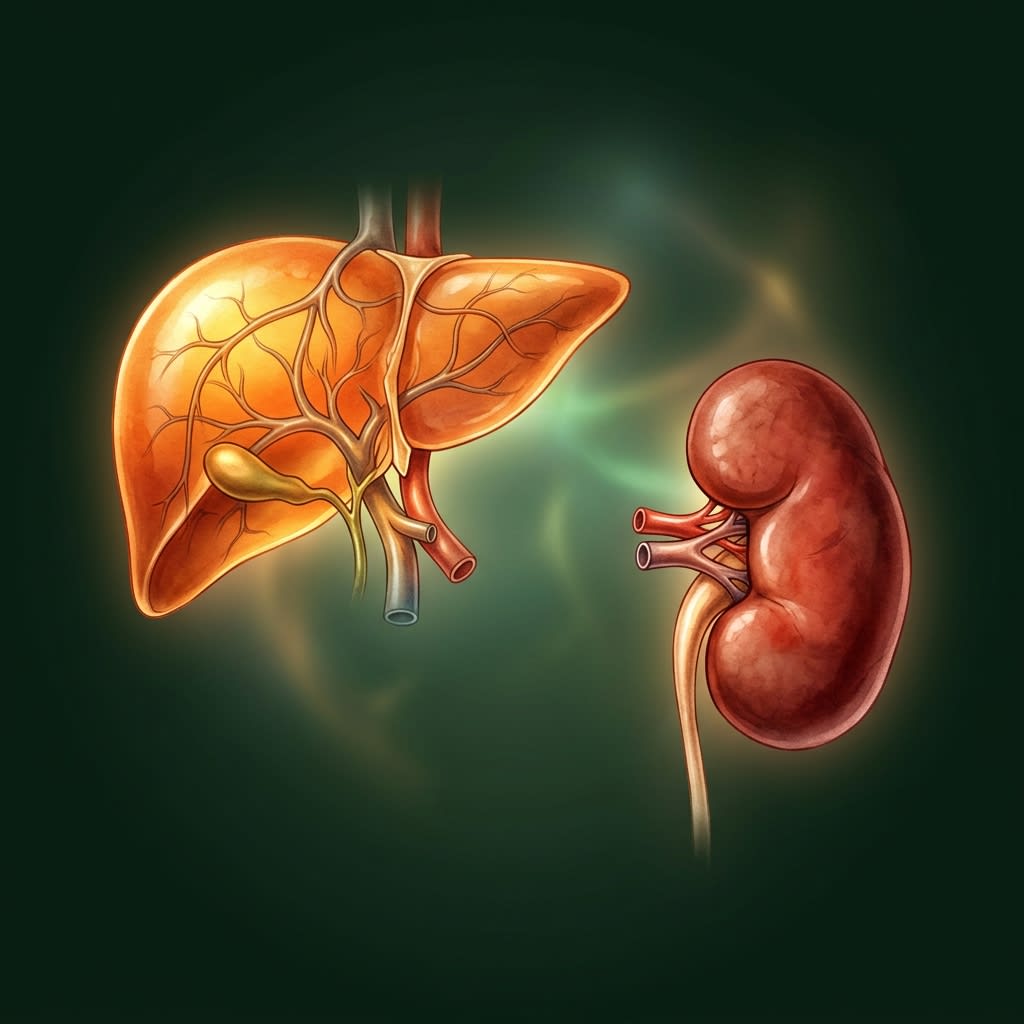
New jaundice is not “ordinary acidity.” Yellow eyes/skin, dark urine, clay-coloured stools and itching may reflect obstructed bile flow or liver disease. Gallstones, viral hepatitis, medication injury, inflammation and malignancy are among many causes.
Understanding the symptoms#
Conjugated (direct) bilirubin can appear in urine, darkening it. Reduced bile pigment reaching the intestine can make stools pale. Bile salt and other factors may contribute to itching. A pancreatic head lesion can compress the common bile duct, but jaundice alone does not establish a diagnosis of cancer.
When to go to emergency#
Fever/chills + jaundice + upper-abdominal pain is concerning for cholangitis; confusion, low blood pressure or severe illness increases urgency. Emergency assessment and treatment should not wait for an online lab package.
Common investigations#
A clinician may order total and direct bilirubin, AST/ALT, ALP, GGT, CBC, renal profile and selected clotting tests depending on severity. A predominant ALP/GGT and conjugated bilirubin rise can suggest cholestasis, but the cause and level of obstruction need imaging. Ultrasound often assesses duct dilatation or stones first. Cross-sectional CT/MRCP and EUS may follow when appropriate. ERCP may relieve an obstructed duct.
How QXL fits in#
QXL lists liver biochemical testing in its gastroenterology services. The laboratory supports investigation, but blood tests and a normal CA 19-9 cannot replace urgent clinical evaluation for new unexplained jaundice.
Related: complete article, imaging guide.
Further sources#
QXL Diagnostics: test availability, TAT and enquiries#
- Test availability: Test available at QXL Diagnostics. Confirm the individual requested test when enquiring.
- Turnaround time (TAT): Same Day (indicative; individual tests and sample cut-offs must be confirmed).
- Test details and unconfirmed information: Contact QXL Diagnostics Super Speciality Lab Bengaluru.
- WhatsApp for Details: Message QXL Diagnostics.
- Phone: +91 99646 39639.
Please note: Same Day is an indicative laboratory turnaround, subject to sample receipt/cut-off, individual assay workflow, and confirmation by QXL. Some specialised and stool tests may take longer. Urgent symptoms require clinical care, not waiting for a result. This service is for clinician-directed laboratory assessment. No laboratory package screens for, diagnoses, or rules out pancreatic cancer.
Medical sources and evidence#
Questions patients frequently ask#
Can gallstones cause jaundice and pale stools?#
Yes, gallstones can obstruct the bile duct and produce the same pattern.
Can pancreatic cancer cause painless jaundice?#
Yes; painless jaundice is one possible presentation, but other causes exist.
Will bilirubin tell whether obstruction is cancer?#
No. Blood tests indicate a physiological pattern; imaging and specialist evaluation identify the cause.
Medical & Laboratory Disclaimer
Medical information notice: This article is for general educational purposes and does not diagnose disease or replace consultation with a qualified healthcare professional. Test selection, preparation and interpretation should be based on individual clinical circumstances.
Dr. Shantakumar Muruda
MD (Medical Biochemistry), Senior Consultant, Founder & CEO, QXL Diagnostics
QXL Clinical Editorial Commitment: Every health guide, biomarker explanation, and screening schedule published on this portal undergoes rigorous clinical review by qualified MD pathologists and biochemists to ensure adherence to peer-reviewed evidence (ACOG, WHO, ICMR) and laboratory diagnostic accuracy.